

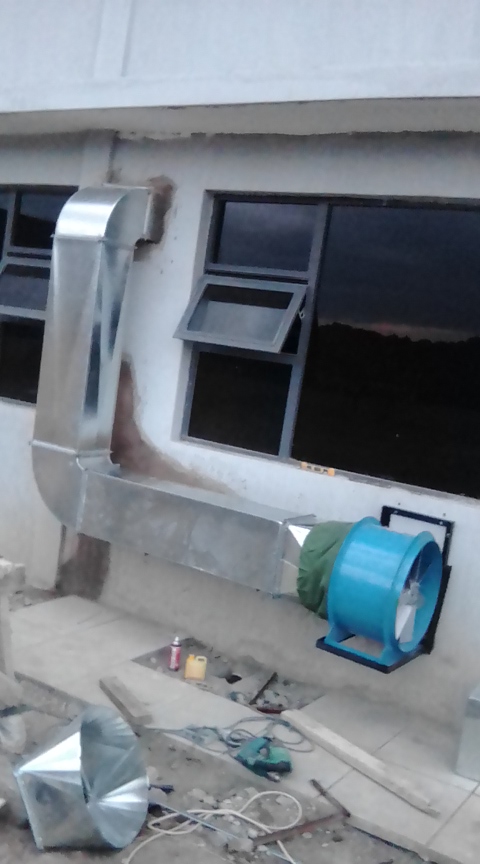
Mechanical Ventilation, Extractor Fans, Kitchen Hoods…
Mechanical or natural ventilation? Pros and cons
It may surprise you that despite spending around 90% of our time indoors, the air quality inside buildings can be up to five times worse than outdoor air, which underscores the need to prioritize indoor air quality as a critical public health issue. However, resolving these issues isn’t as simple as just opening a window, especially in densely populated urban areas where outdoor air quality might also be compromised.
To tackle modern challenges effectively, it’s essential to adopt solutions that guarantee occupants consistent access to clean, fresh indoor air. Two primary methods facilitate this: mechanical ventilation and natural ventilation through opening windows. Each approach has its own set of advantages and disadvantages, which we’ll explore in detail.
Method number one, mechanical ventilation, utilizes systems like fans and ducts to control airflow. Method number two involves natural ventilation by opening windows, hatches and doors. While both offer benefits, mechanical ventilation provides more dependable and efficient air circulation, making it the preferred choice for ensuring optimal indoor air quality.
Mechanical ventilation systems, renowned for their efficiency and effectiveness, are the ideal choice for achieving optimal indoor air quality, consistently. Unlike natural ventilation, which relies on unpredictable external factors, mechanical ventilation systems offer a controlled and systematic approach to air exchange. These systems introduce filtered outdoor air while simultaneously extracting indoor air, thereby diluting or eliminating the presence of harmful bacteria, viruses and contaminants like CO2.
From enhancing energy efficiency to mitigating health risks, let’s delve deeper into the technical intricacies and practical advantages of mechanical ventilation in residential HVAC design.
Understanding mechanical ventilation
Mechanical ventilation operates through the use of fans and ducts, providing a controlled airflow mechanism within a building. Unlike natural ventilation, which relies on external forces such as wind, mechanical systems provide consistent air exchange rates regardless of external conditions. One of the key advantages of mechanical ventilation is the ability to automate the process, either through preset schedules aligned with occupants’ routines or through sensors that detect variations in humidity levels, occupancy, or air quality.
What are the advantages of mechanical ventilation?
Precision and Consistency: Mechanical ventilation ensures a consistent supply of fresh air, rather than fluctuations associated with natural ventilation. This precision is vital for maintaining optimal indoor air quality and comfort levels for all building users.
- Runs automatically: Mechanical ventilation also operates automatically so you don’t need to remember to open or close your windows. This reduces the risk of those panicked moments where you think you have left a hatch or window open unintentionally.
- Energy efficiency: While mechanical ventilation does consume energy, advancements in technology such as heat recovery systems, significantly mitigate energy losses. By recovering heat from exhaust air and using it to preheat incoming fresh air, mechanical ventilation systems minimize energy wastage, making them more efficient in the long run.
- Compliance with building regulations: Many building codes and directives mandate the provision of adequate ventilation in residential buildings to safeguard occupants’ health and well-being. Mechanical ventilation systems offer a reliable means of meeting these regulatory requirements, ensuring compliance with safety standards.
- Humidity control: Excessive humidity levels can lead to mould growth and indoor air quality issues. Mechanical ventilation systems are equipped to manage humidity levels effectively, preventing moisture buildup, protecting building integrity and maintaining a healthy indoor environment.
- Air filtration: With built-in filters, mechanical ventilation systems can trap harmful pollutants from traffic, roadworks and suchlike as well as allergens and particulate matter, thereby enhancing indoor air quality and reducing health risks for occupants.